(0)
unbranded
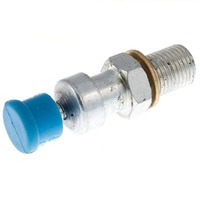
Decompression Valve fits Husqvarna, Stihl, Partner 503 66 56-01 4223 020 9400
In Stock
$12.95

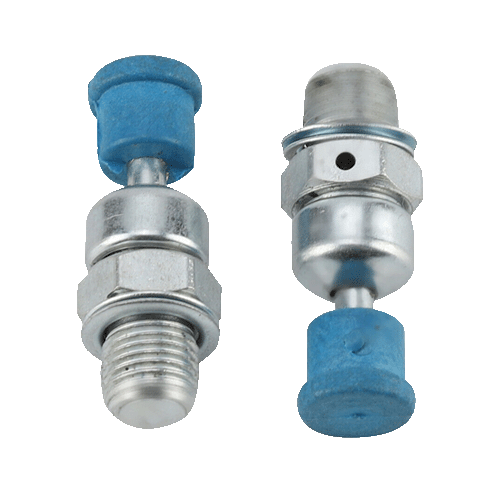
Ask anyone who has spent a morning repeatedly yanking the cord on a cold chainsaw and they'll tell you the same thing: starting a saw should not feel like a workout. If you've noticed your chainsaw becoming increasingly difficult to pull over, or if you're getting older and the physical effort of starting a big saw is becoming a real issue, a decompression valve might just be the small part that changes everything.
These compact but clever components are designed to release excess compression from the cylinder before you pull the starter cord, significantly reducing the resistance on that initial pull. The result is a saw that starts with noticeably less effort, less strain on your body, and less wear on your starter assembly over time. It's one of those parts that, once you've used it, you wonder how you ever managed without it.
Like all small engine components, decompression valves don't last forever. Over time and with regular use, they can stick, leak or fail to release properly. When that happens, you lose the very benefit they were designed to deliver. A faulty valve can also allow compression to bleed off at the wrong time, affecting engine performance and making a clean start frustratingly difficult to achieve.
Inspecting and replacing your decompression valve as part of routine chainsaw maintenance is a smart habit, particularly before heading into a heavy cutting season. It's a simple job, a small investment, and the kind of thing that keeps your equipment performing exactly as it should.
Whether you're servicing a saw you've had for years or getting a second-hand machine back into reliable working order, finding the right replacement part is quick and straightforward through our online store.
We're based in Queensland and proud to serve customers from every corner of the country, with free shipping and genuine support when you need a hand tracking down the right part.
Take a look through our decompression valve range and make your next start the easiest one yet.
In simple terms, a decompression valve makes starting your chainsaw significantly easier on your body and your equipment. When a chainsaw engine is at rest, the cylinder builds up compression that creates strong resistance against the starter cord on that first pull. The decompression valve temporarily releases some of that built-up pressure before you attempt to start the saw, reducing the force needed to pull the cord through. Once the engine fires and begins running, the valve closes automatically and the engine operates at full compression as normal. It sounds like a small thing, but anyone who regularly starts a large displacement saw will tell you the difference is immediately noticeable. Beyond the comfort factor, using the decompression valve correctly also puts less stress on the recoil starter assembly, which helps extend the life of that component over time.
Using a decompression valve is about as straightforward as it gets. Before you attempt to start your chainsaw, simply press the small button or valve located on the cylinder, usually on the top or side of the engine housing. You will often hear or feel a slight release of pressure when you press it, which tells you it has activated correctly. From there, follow your normal starting procedure, whether that involves a choke setting, a primer bulb press, or a specific throttle position depending on your model. The valve resets automatically once the engine starts, so there is nothing to adjust or switch back manually. If your saw has a decompression valve and you are not already using it every time you start up, making it part of your routine is one of the easiest habits you can build for both your comfort and the long-term health of your machine.
Decompression valves are relatively simple components, but they are not immune to wear. The most common cause of failure is a build-up of carbon deposits around the valve seat, which can prevent it from sealing or releasing properly. This is particularly common in saws that run rich fuel mixtures or that have not been serviced regularly. Physical wear on the valve tip or spring mechanism can also cause it to stick in the open position, which leads to compression bleed-off during operation and noticeably reduced engine power. In some cases, dirt and debris entering the valve area can cause similar issues. The good news is that decompression valves are among the more affordable components to replace, and doing so as part of a routine service is a smart and cost-effective move. If your saw is becoming harder to start or feels down on power, the decompression valve is always worth checking before assuming the problem runs deeper.